
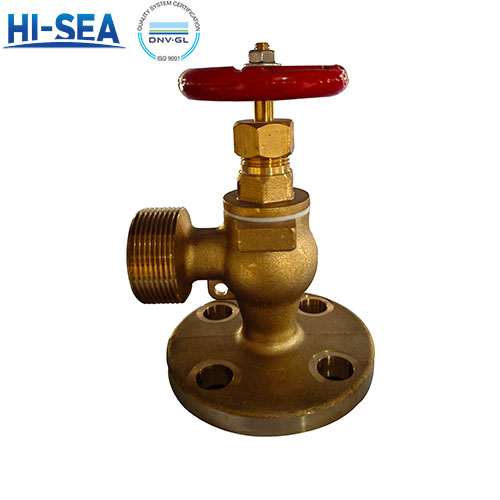
Fire Hydrant Hose Valve
Fire hydrant hose valve is used to control the flow of water from a fire hose. It is usually installed at the end of a hose or at a connection and has either manual or automatic operation. The main function of a fire hose valve is to regulate the speed, pressure and flow of water to ensure that sufficient water flow is available to extinguish a fire in the event of a fire.
Overview
A Fire Hydrant Hose Valve is a specialized valve designed to be threaded directly onto the outlet of a street or industrial fire hydrant. Its primary function is to provide a controlled and secure connection point for attaching a fire hose. This valve allows firefighters or industrial personnel to open, close, and regulate the high-pressure water flow from the hydrant into the hose line, serving as the critical first link in the water delivery chain during firefighting operations.
Main Purpose
The Fire Hydrant Hose Valve, commonly known as the hose valve, is an essential component of fire protection systems. Positioned near fire hydrants, it serves as a connection point for hoses to access pressurized water during firefighting operations. This valve allows firefighters to quickly and effectively deploy water to extinguish fires, playing a critical role in fire suppression efforts.
Design Features
Its design typically includes features such as sturdy construction, easy operation, and compatibility with firefighting equipment. Proper maintenance and regular inspections are crucial to ensure the reliability and functionality of fire hydrant hose valves, helping to safeguard lives and property in emergency situations.
Key Design & Purpose
Direct Hydrant Connection: Engineered with robust threads (NPT, BSP) to mate perfectly with standard hydrant outlets, preventing cross-threading and leaks under high pressure.
Flow Control & Isolation: Allows the hydrant's water supply to be turned on/off and regulated at the point of hose connection, enabling safe hose attachment and detachment under pressure.
Standardized Interface: Often includes a standard hose thread or Storz coupling on the outlet side, ensuring compatibility with municipal and industrial fire hoses.
Durability: Built to withstand outdoor environments, physical impact, and constant pressurization/depressurization cycles.
Image of Fire Hydrant Hose Valve
.jpg "Fire Hydrant Hose Valve1 (1).jpg")