Classification and Application of Conductors in Marine Cables
The selection of conductors for marine cables strictly follows the IEC 60228 standard, which is mainly divided into three kinds: solid conductors(Class 1), stranded conductors(Class 2), and flexible conductors(Class 5&Class 6), each matching the operational requirements of different ship equipment.
Overview
The solid conductors(Class 1): composed of a single copper wire with a fixed cross-section, mainly used for fixing and laying secondary circuits with low vibration. It has a simple structure and low cost, and was occasionally used in early ship lighting or non frequent moving situations. However, its vibration resistance is weak, and its use has gradually decreased in modern shipbuilding.
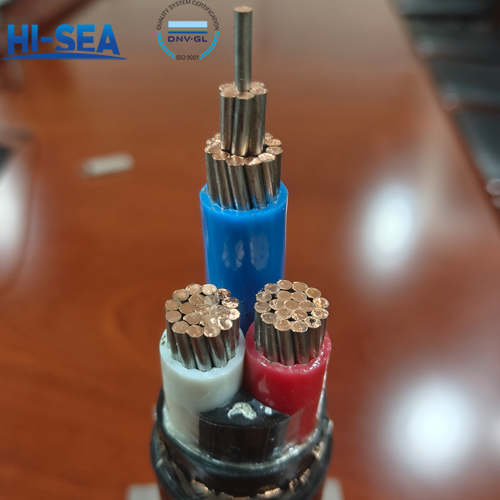
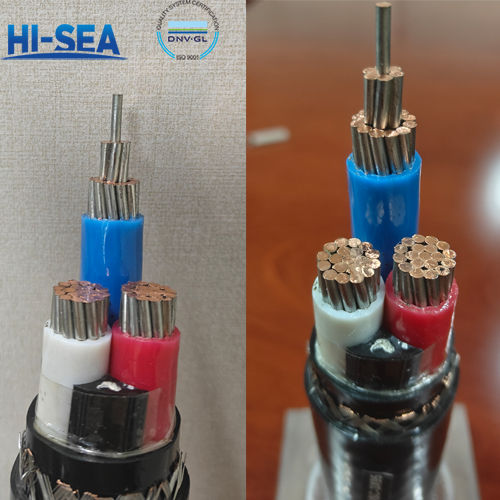
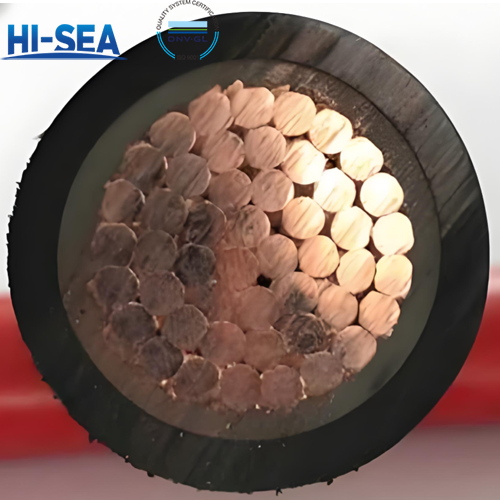
Stranded conductors(Class 2): the mainstream choice for marine power cables, which is made up of multiple copper wires twisted according to rules. Suitable for main power distribution systems, high-power motors, and fixed installation main lines. Its advantages lie in high mechanical strength, large current carrying capacity, and the compact conductor structure made by the compression process, which can effectively save laying space and meet the demanding requirements of dense ship wiring.
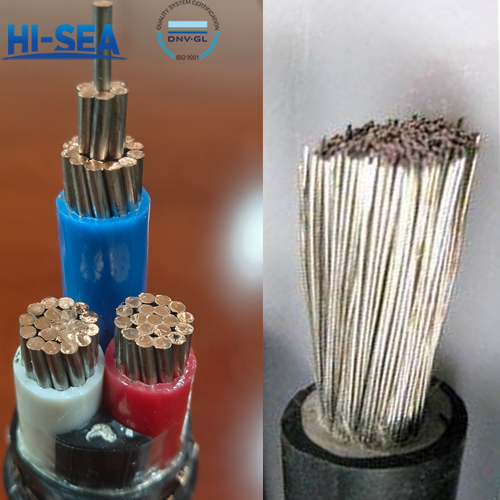
The flexible conductors(Class 5&Class 6): made of finer copper wire twisted together, with excellent flexibility. Specially designed for frequently moving equipment, instrument connections, and cabins with severe vibrations, such as mobile tools, cabin wall valve controls, precision instruments, etc. Its excellent anti bending fatigue performance can withstand repeated bending without breaking, ensuring absolute reliability of dynamic power supply.