
Fire Hose Hydrant Valve
The main function of the hose fire valve is to control the water flow in the hose fire system. It is usually mounted on the pipes of a hosepipe firefighting system and can turn on or off the water flow manually or automatically. It usually includes components such as hoses, nozzles, water pumps, and hose fire valves for fire suppression and fire rescue.
Overview
A Fire Hose Hydrant Valve, often called a Hydrant Adapter Valve or Hose Connection Valve, is a crucial fitting installed directly onto the outlet of a fire hydrant. Its primary function is twofold: to adapt the hydrant's outlet thread (e.g., NPT, BSP) to the connection type required by the fire hose (e.g., another thread, Storz coupling), and to control (open/close) the water flow from the hydrant into the hose line. This valve serves as the critical interface between the pressurized water source and the firefighting hose.
Main Features
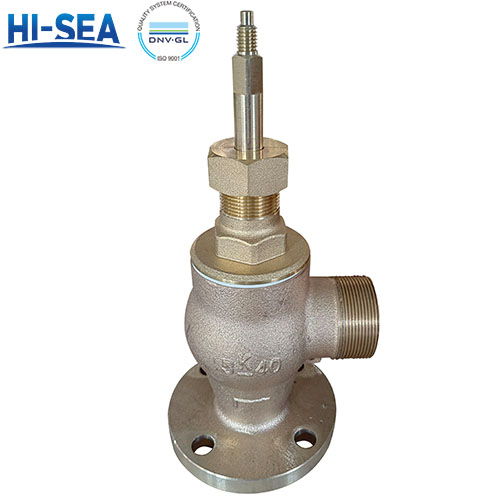
Fire hose hydrant valve is a type of valve that is used to control the flow of water from a fire hydrant to a fire hose. It is typically located on the side of the fire hydrant and is used to regulate the water pressure and flow rate to the hose. This valve is an essential component of a fire fighting system, as it allows firefighters to quickly and effectively extinguish fires by providing a steady stream of water.
Fire hose hydrant valves may have threaded, storz, or other types of connections to attach to fire hoses and hydrants.
Application
Municipal Firefighting: Connecting standard fire hoses to city hydrants that may have different thread standards.
Industrial Plant Hydrant Stations: Adapting fixed hydrant outlets to the specific hose couplings used by the plant's fire brigade.
Fire Truck Operations: As a spare adapter carried on trucks to interface with various hydrant types encountered in different jurisdictions.
Marine Deck Hydrants: Providing a controlled connection point from a deck hydrant to a fire hose on board a ship.
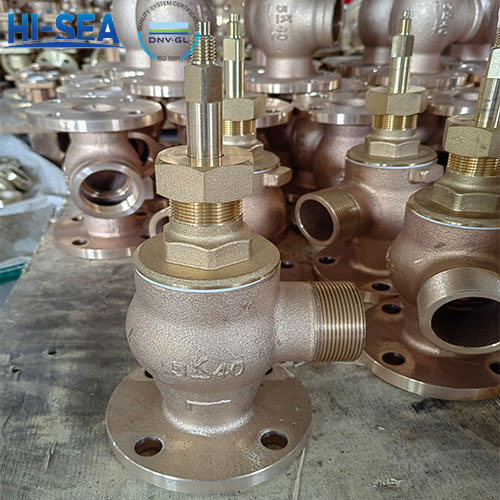
Image of Fire Hose Hydrant Valve