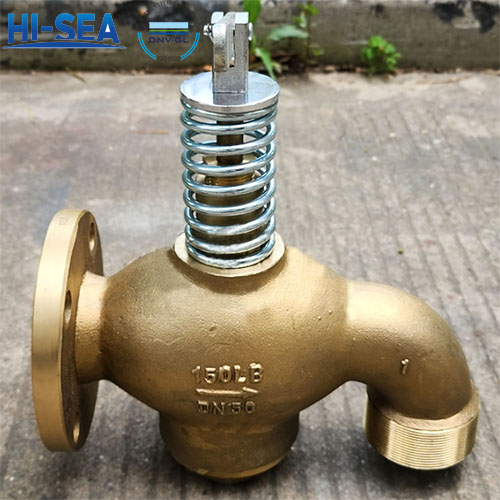
Class 150 Self Closing Valve
Self-Closing Mechanism:
The valve automatically returns to the closed position when the actuating handle or lever is released. It does not stay in the open position without continuous manual force or a separate locking device. This is a safety feature to prevent accidental leave-open situations.
Overview
Primary Advantages and Use Cases
• Safety: Prevents accidental spillage or unintended flow by ensuring automatic closure.
• Process Control: Used in applications where a valve must only be open temporarily for sampling, bleeding, or bypassing.
• Fire Protection: Standard in sprinkler system water supply lines (as an Outside Screw & Yoke (OS&Y) valve) to ensure the system is always ready and any shutdown is clearly indicated.
• Emergency Systems: Ideal for safety showers, eyewash stations, or emergency vents where open status must be intentional and brief.
• Standardization: Class 150 is a widely used rating, making these valves readily available and interchangeable.
Common Types
• Self-Closing Ball Valve: Most common for general industrial use. Compact, reliable seal.
• Self-Closing Butterfly Valve: For larger line sizes, lower cost, but with higher potential for leakage.
• OS&Y Gate Valve: The standard for fire protection lines. The rising stem provides a clear visual indication of open/closed status.
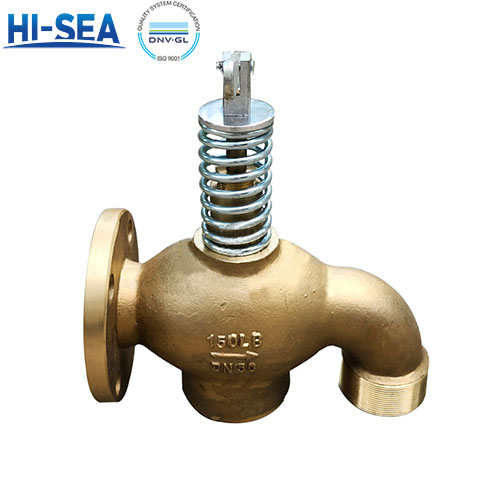
Image of Class 150 Self Closing Valve