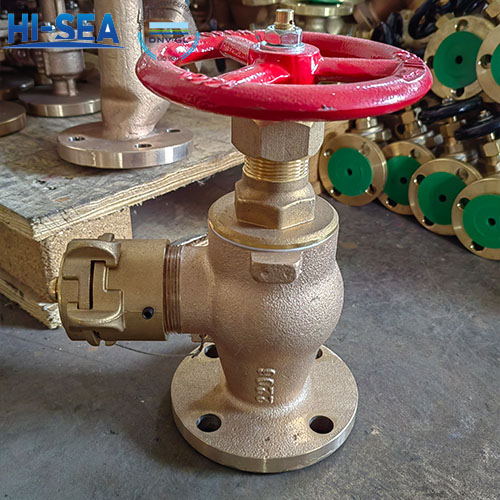

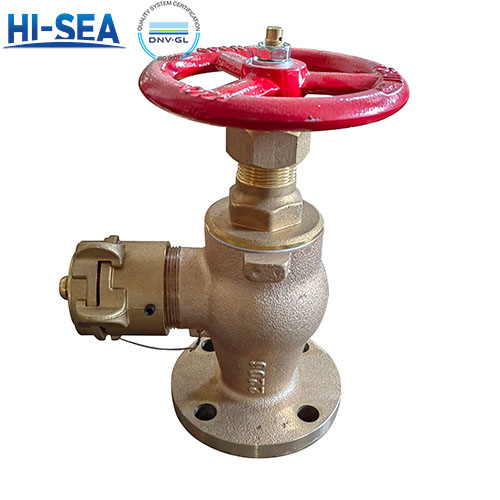
Fire Hydrant Valve
A Fire Hydrant Valve is the critical control component of a fire hydrant, responsible for regulating the flow of water from the pressurized main to the hose connection. Designed for maximum reliability and high-flow capacity, these valves are engineered to remain operational after years of inactivity and to deliver water instantly in an emergency. They are the cornerstone of both municipal street hydrant systems and industrial/marine fixed fire protection networks.
Overview
Summary of Key Feature Benefits:
• Reliability: Simple, robust mechanical design ensures operation even after years of inactivity.
• Safety: Non-rising stems prevent injuries; clear indicators prevent mistakes.
• Interoperability: Standardized threads ensure fire department hoses will connect.
• System Integrity: Tamper switches provide early warning of valve closure.
• High-Flow Capacity: Gate valve design offers minimal restriction for maximum water delivery during a fire.
How Does the Fire Fydrant Valve Work?
Hydrants are considered the main tool for active fire prevention and are commonly used to supply water from pipes and water distribution systems. A fire hydrant consists of a joint connected to a hose and a branch pipe specifically designed to provide enough water as soon as possible. This fast, safe water supply is a key factor in the successful suppression of fires at fire sites. Even better, it's easy to use. Simply turn the landing valve handle of the wet riser counterclockwise to activate the hydrant system.
Difference between Marine Hydrant Valves and Land Hydrant Valves
Marine hydrant valves are usually designed to be more compact and lightweight to suit the special needs of the marine environment. Marine hydrant valves are usually waterproof, rustproof and resistant to seawater corrosion to ensure long and reliable operation in the marine environment. In addition, marine hydrant valves are usually more waterproof to cope with seawater immersion.
On the other hand, land hydrant valves are usually designed to be more durable and robust to suit the needs of the land-based environment. Land hydrant valves are typically used in fire protection systems in buildings, streets, and other land-based facilities, where they are subjected to increased pressure and frequency of use. As a result, land hydrant valves are typically larger in size and more durable to ensure a reliable supply of water in the event of an emergency.
Image of Fire Hydrant Valve