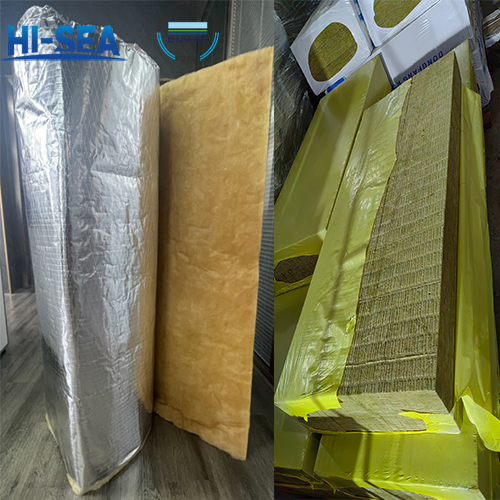
Environmental Protection Blanket
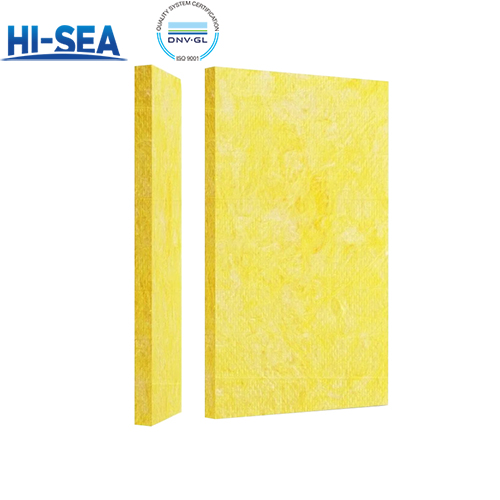
Our marine-grade environmental protection blanket is a high-performance thermal and acoustic insulation solution designed specifically for ship hulls, decks, and bulkheads. Engineered with certified fire-resistant materials, it effectively reduces onboard temperature fluctuations, prevents condensation, and enhances overall ship energy efficiency and safety compliance.
Overview
Installation
1. Pretreatment
Before installing the marine insulation cotton, some pretreatment work needs to be done. First, comb and clean the insulation cotton, remove the interference and burrs on the surface of the rock wool, so as not to affect the installation quality. In addition, pay attention to the waterproof treatment of the rock wool during the installation process. Only by doing a good job of waterproofing can the insulation effect be guaranteed.
2. Laying
The installation of marine insulation cotton is actually carried out inside the hull, so protective measures should be taken during the laying to avoid contaminating the hull. When laying, it is necessary to cut the insulation board according to the hull structure and insulation requirements, and then fix the board on the hull to cover all parts that need insulation. During the laying process, pay attention to the verticality and horizontality of the rock wool board to ensure that the rock wool board is neat and beautiful.
3. Cutting
When laying marine rock wool, it is necessary to cut it piece by piece according to the different structures and characteristics of the hull. Keep it regular and flat when cutting to ensure that the structure of the rock wool board is firm when assembling. When cutting, you can use a professional rock wool knife, electric saw or cutting machine, and choose the appropriate tool according to actual needs.
4. Compression
During the laying of marine rock wool, the board often needs to be compressed to meet the insulation requirements of various points in the hull. When compressing, you need to pay attention to the control of strength to avoid affecting the neatness, beauty and insulation effect of the rock wool board.
5. Bonding
During the laying process, the board needs to be fixed, usually by bonding. You need to use professional glue or sealing tape, and pay attention to the ratio and uniformity of the glue. When bonding, try to avoid bubbles to avoid affecting the sealing effect.
Features
Superior Thermal Insulation for Enhanced Energy
IMO-Compliant Fireproofing & Enhanced Ship Safety
Waterproof and Anti-Mold Core for Durability
Picture of Environmental Protection Blanket