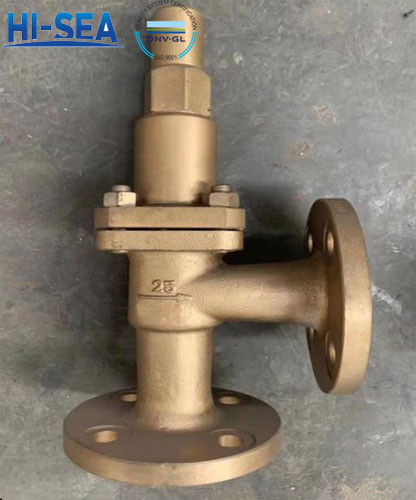
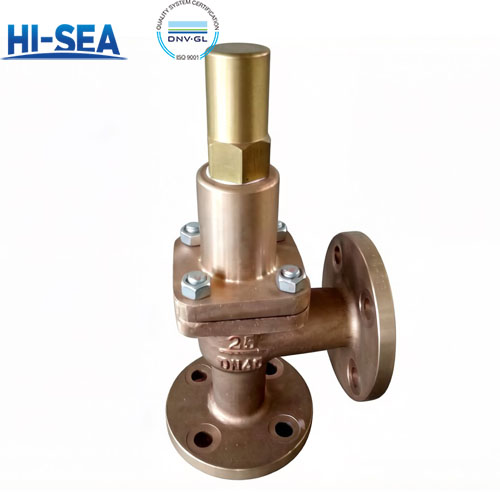
Bronze Safety Valve
Typical Historical Applications:
• Steam boilers on locomotives and steamships
• Early industrial heating systems
• Compressed air systems
• Hot water heating systems
Overview
Bronze Safety Valves (Physical Components)
Purpose: A safety valve is a critical fail-safe device designed to automatically release pressure from a boiler, pressure vessel, or system when it exceeds a pre-set limit, preventing catastrophic failure.
Why Bronze Was Used:
• Corrosion Resistance: Excellent resistance to water, steam, and many chemicals, especially in marine environments.
• Machinability: Easy to cast and machine into precise shapes.
• Non-Sparking: Important in flammable environments.
• Durability: Good wear resistance and mechanical properties for many applications.
Modern Status:
• Largely Replaced: For high-pressure/temperature steam and critical industrial applications, materials like stainless steel, alloy steel, and chromium steel are now standard due to superior strength.
• Still Specified: Used in specific applications like:
◦ Marine low-pressure systems (sea water, cooling lines)
◦ Certain chemical processes where bronze is compatible
◦ Plumbing for potable water, gas, or oil lines (in pressure relief or regulator valves)
◦ Where non-sparking properties are required
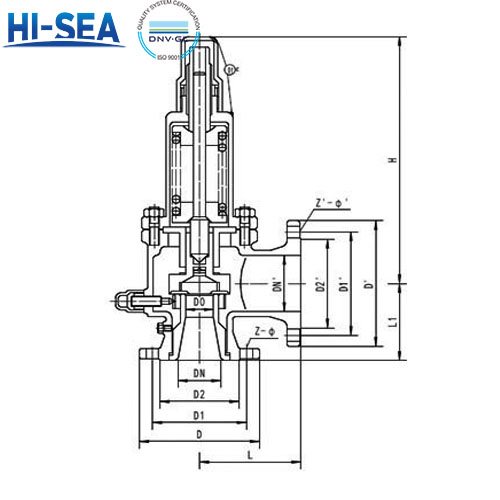
Drawing:
Picture: